
What Can You Eat on Keto? The Complete Keto Food List
Confused about what foods are allowed on keto? This complete keto food list explains what to eat, what to avoid, and how to build balanced low-carb meals that support ketosis and weight loss.

Introduction
One of the biggest reasons people struggle on the ketogenic diet is uncertainty about food choices. The question “What can I eat on keto?” is among the most searched keto-related topics online. Unlike traditional diets that simply reduce calories, keto requires strict carbohydrate control. Even small amounts of hidden carbs can interrupt ketosis and slow progress. Understanding exactly which foods support ketosis — and which ones prevent it — makes the ketogenic diet far easier to follow long term. This guide breaks down the complete keto food list, explains how to identify hidden carbs, and shows how to structure balanced low-carb meals confidently.
Content
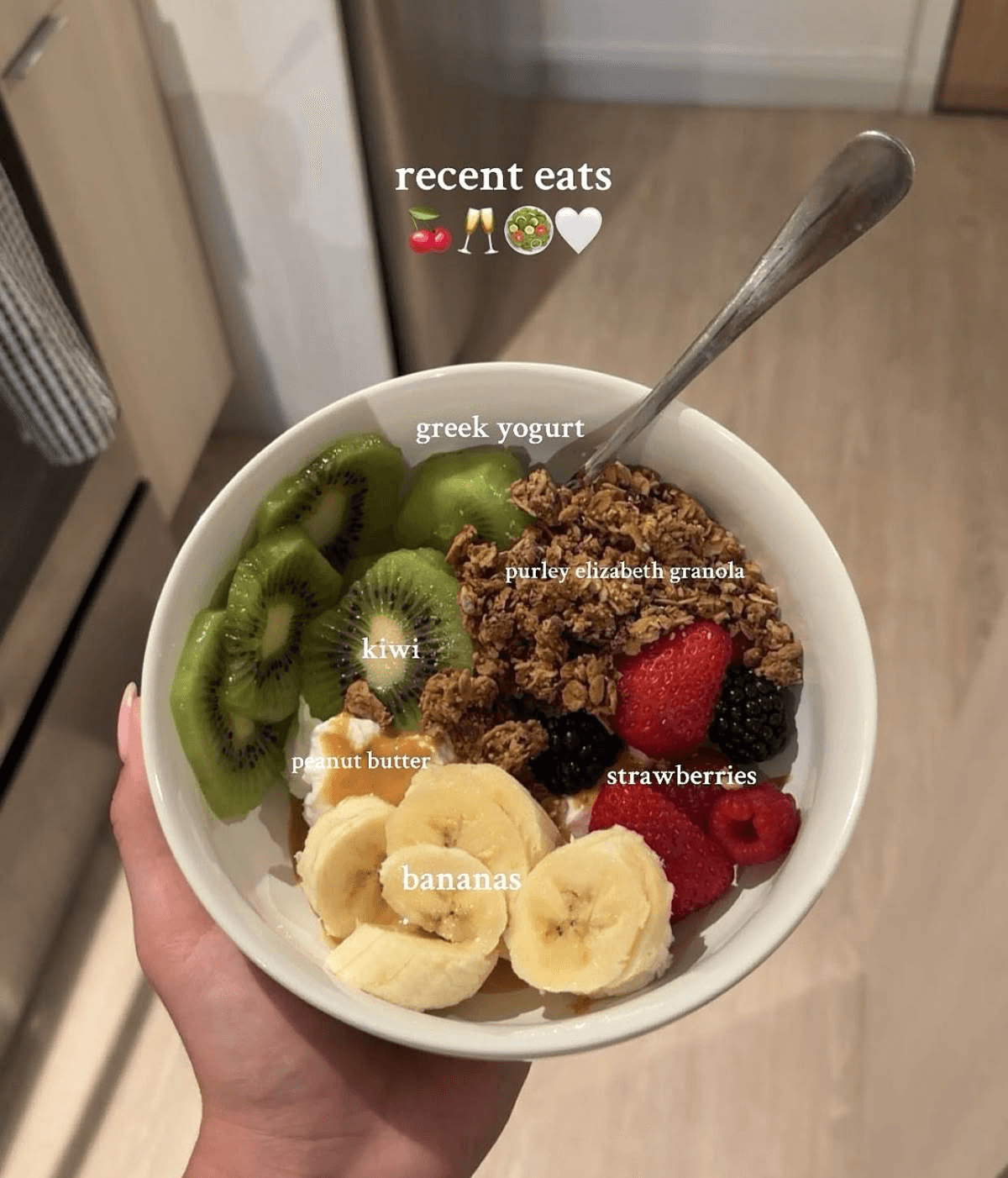
The Core Principle of Keto Food Choices The ketogenic diet is built around one simple rule: keep carbohydrates low enough to maintain ketosis. Most individuals stay in ketosis by consuming 20–50 grams of net carbs per day. This means your food choices should prioritize healthy fats, moderate protein, and very low carbohydrates. Foods high in sugar or starch are typically eliminated because they raise blood glucose and insulin levels. The key is choosing whole, minimally processed foods that naturally fit within keto macro targets. Protein Sources You Can Eat on Keto Protein forms the structural foundation of most keto meals. High-quality protein sources support muscle retention, satiety, and metabolic health. Keto-friendly protein options include beef, chicken, turkey, pork, lamb, eggs, and fatty fish such as salmon and sardines. Shellfish and seafood also fit well within keto guidelines. However, protein should remain moderate rather than excessive. Overconsumption may interfere with ketosis in some individuals. Balancing protein intake alongside fat and carb targets ensures optimal results. Healthy Fats That Support Ketosis Fat becomes your primary energy source on keto. Including healthy fats in your diet helps maintain ketosis and stabilize hunger levels. Olive oil, avocado oil, coconut oil, butter, ghee, heavy cream, and full-fat cheese are common keto staples. Avocados are particularly popular due to their high fat and fiber content. Although fat intake is higher on keto, portion control still matters. Fat is calorie-dense, and excessive intake can slow weight loss if calorie needs are exceeded. Low-Carb Vegetables You Can Eat Vegetables are important for micronutrients and fiber. The best keto vegetables are typically above-ground and non-starchy. Spinach, kale, broccoli, cauliflower, zucchini, asparagus, cucumbers, mushrooms, and bell peppers are commonly included in keto meal plans. These vegetables contain fewer net carbs and fit well within daily limits. Starchy vegetables like potatoes, corn, and peas are generally avoided because they contain higher carbohydrate levels. Tracking portion sizes ensures vegetables support ketosis without exceeding carb thresholds. Fruits on Keto: What’s Allowed? Most fruits are high in natural sugars and may quickly exceed your carb limit. However, certain berries can be consumed in moderation. Strawberries, raspberries, and blackberries contain lower net carbs compared to tropical fruits like bananas, mangoes, and grapes. Small portions of berries can fit into a ketogenic diet when tracked carefully. The key is moderation and awareness of total daily net carb intake. Dairy Products on Keto Full-fat dairy is commonly consumed on keto, but not all dairy products are equal. Cheddar cheese, mozzarella, cream cheese, Greek yogurt (unsweetened), and heavy cream can fit within macro targets. However, flavored yogurts, sweetened milk products, and low-fat dairy often contain added sugars. Reading nutrition labels carefully helps prevent hidden carb intake. Nuts and Seeds: Eat Carefully Nuts and seeds provide healthy fats and fiber, but they are calorie-dense and can contain moderate carbohydrates. Almonds, walnuts, pecans, macadamia nuts, chia seeds, and flaxseeds are commonly consumed on keto. Cashews, however, are higher in carbs and should be limited. Because nuts are easy to overeat, portion control is essential for maintaining macro balance. Foods to Avoid on Keto High-carb foods disrupt ketosis and should be minimized or eliminated. Bread, pasta, rice, cereals, sugary drinks, pastries, chips, and candy are primary examples. Processed foods marketed as “healthy” may still contain significant carbohydrate levels. Even certain condiments and sauces can contain added sugars. Being mindful of ingredient lists protects your progress. Sample Keto Meal Structure A simple keto meal might include grilled chicken cooked in olive oil with a side of roasted broccoli and avocado. Another option could be scrambled eggs cooked in butter served with spinach and cheese. Balanced meals combine protein, healthy fats, and low-carb vegetables while keeping net carbs within your daily limit. Planning meals in advance reduces the likelihood of impulsive high-carb choices. Why Tracking Your Food Matters Even keto-approved foods can exceed your macro targets if consumed without awareness. Portion sizes, hidden ingredients, and calorie density all influence results. Tracking net carbs and macros provides clarity. It ensures that daily intake aligns with ketosis goals and prevents accidental carb overconsumption. When food choices are structured and monitored, maintaining ketosis becomes predictable rather than uncertain.
Conclusion
Knowing what you can eat on keto simplifies the entire diet. By focusing on high-quality proteins, healthy fats, and low-carb vegetables while limiting sugars and starches, you create a strong nutritional foundation for ketosis. The ketogenic diet does not require complicated recipes or extreme restriction. It requires awareness, macro balance, and consistency. When you understand your food choices clearly, keto becomes sustainable and far easier to follow long term. Precision and planning lead to predictable results.